You lean into the sofa, maybe to test the cushion depth or feel the fabric. That initial slight rock—that subtle shift when you apply a bit of pressure—is your first and clearest warning. It’s not about the sofa being new or the floor being uneven; it’s a tell that the frame’s joinery isn’t locked down tight, or the leg gussets are insufficient. You’ll find this trait common in pieces priced around the $800 to $1,500 bracket, where construction shortcuts are often taken to keep costs down.
In a showroom, especially those warehouse-style outlets in Sungei Kadut or IMM, this simple lean-and-push test becomes your fastest filter. You can bypass hours of comparing fabric swatches and cushion densities if the foundation isn’t steady. A sofa that wobbles when you simply sit down won’t hold up to daily use in a 4-room flat—it’ll groan and shift with every movie night or when the kids climb on it. That immediate dismissal saves you from the lengthy showroom comparisons that often lead to compromise.
The root cause is usually in the corners. Proper frames use reinforced blocks or metal brackets at the joints, and legs are secured with substantial gussets—those triangular supports that prevent lateral movement. L-shaped sofa . In cheaper construction, these are skimped on, relying on glue and basic screws that loosen over time. Humidity here, around 80% plus, can also work on those joints if the timber isn’t properly kiln-dried. It’s a structural flaw you can’t fix with better upholstery.
There’s one real exception, and it’s about intent. If you’re buying a strictly occasional piece—say, for a seldom-used study or a balcony corner where it’ll barely be sat on—you might tolerate a minor wobble for a lower price. But for your main living room sofa, where stability is everything, that first wobble means you walk away. No amount of nice fabric or clever styling compensates for a frame that isn’t secure from day one.
Singapore’s humidity hovers around 80% for much of the year, and that’s the real test for any sofa frame hidden beneath the upholstery. An leather sofa in Singapore — the sectional or corner sofa — is the one where seeing it staged matters most, because scale is everything: an L-shape that looks right online can swallow a real living room or leave a walkway too tight. In the showroom you can judge the footprint, check which way the chaise should face, and feel whether the depth suits lounging or sitting upright. It's the sofa where a few minutes in person saves an expensive misjudgement. For an open-plan living area, the L-shape is worth measuring and seeing together.. A laminated plywood base might look perfectly fine in a Tagore Lane showroom, but by the third year in a non-air-conditioned living room, you can start to see the edges swell and the layers peel apart. That’s delamination, and it’s a structural weakness you can’t fix with a simple repair.
For peace of mind, you’re better off with a solid hardwood frame. Kiln-dried mahogany or even the more affordable rubberwood are inherently more stable because the wood itself has been seasoned to resist absorbing moisture from the air. They might move a little with the seasons—that’s normal for solid timber—but they won’t come apart at the seams. The difference isn’t always obvious just by sitting on the sofa, which is why you need to look deeper.
High-spend buyers in those Tampines or Sungei Kadut showrooms should go beyond the fabric swatches. Ask the staff directly for a cutaway sample of the frame material, or better yet, request to see the material certifications. A reputable seller will have these documents on hand, proving the wood has been properly kiln-dried. If they can’t produce them, that’s a red flag. Your sofa is a long-term investment, and the frame is its skeleton.
The one exception? If the sofa is destined for a consistently air-conditioned, low-humidity environment, a high-quality plywood with excellent adhesives might hold up just fine. But for most HDB flats and landed homes dealing with our relentless climate, solid hardwood is the steadier choice. It’s the difference between a sofa that lasts a decade and one that starts to complain after a few monsoon seasons.
A cast metal plate spreads the sofa's load across the corner of the wooden frame, not just a single point. That's crucial because a screw driven straight into timber concentrates all the pressure onto a tiny area. Over time, with people sitting down and shifting weight, that concentrated force can cause the wood to crack or split along its grain. The plate acts like a small foundation, dispersing the strain so the leg's pull is gentler on the material. It's a simple principle, but one that directly determines whether your sofa stays steady for years or starts to wobble and fail prematurely.
You won't see this difference just by looking at the sofa's top or sides. The proof is entirely underneath, hidden from casual view during a normal showroom walk-through. That's why the recommendation to physically tip the piece over in a Defu Lane warehouse or a Tampines flagship store isn't just a quirky suggestion—it's the only way to verify the construction you're paying for. When you lift it, you can check if the leg is secured by a broad, flat metal bracket or if it's merely screwed on with visible threads going into the wood. The underside reveals the truth that the upholstery and cushions deliberately conceal.
Even with a metal plate, the fasteners matter. Look for thick, coated screws or bolts that appear robust, not thin, shiny ones that seem lightweight. Good hardware won't rust easily, which is a point worth considering given our local humidity that can affect unprotected metal over time. Inferior screws can strip the wood or corrode, loosening the connection gradually. While the plate is the star, the screws are its supporting cast, and both need to be of a standard that matches the sofa's price tag. A close look at the fastening tells you if the manufacturer cut corners on the details.
The primary benefit of a cast plate isn't just about holding the leg on; it's about protecting the sofa's internal frame from damage. A screw-on block forces the wood to bear the stress directly, which can lead to splits that compromise the entire corner's integrity. A fabric sofa is almost impossible to judge from a screen — full-grain, genuine, and faux leathers look similar in a photo but feel and age completely differently, and only your hand can tell them apart. In the showroom you can feel the grain, see the true colour under real light, and understand what you're paying for. Leather suits the climate well and wipes clean, but the quality tier is the whole decision. For leather especially, touching it before buying is the difference between satisfied and disappointed.. Once that wood splits, the leg's attachment becomes unreliable, leading to that familiar, frustrating wobble that can't be fixed by tightening a screw. A plate guards against this by providing a metal interface that the leg bolts into, isolating the wood from the direct mechanical stress. It's a preventative measure, not just a fixative one.
So what should you actually do? When you're in a showroom evaluating a piece over two thousand dollars, don't just sit on it. Ask the staff politely if you can inspect the base—most will assist if you're a serious buyer. Then, carefully tilt the sofa to get a clear view of the leg attachments at each corner. Compare a model with plates against one with simple screw blocks; the visual difference is usually stark and immediately informative. This hands-on check takes two minutes but answers a fundamental question about longevity that a decade of comfortable sitting won't. It's a small effort that pays off in long-term stability.
A three-seater sofa that costs more than two thousand dollars shouldn’t just look good in the showroom. It needs to feel steady when you’re all piled onto it. The typical family scenario isn’t two people sitting politely on opposite ends. It’s two adults sharing the centre cushions while a kid climbs onto one armrest to watch something on the television. That’s where torsion—a twisting force on the frame—comes into play, and cheap construction will show its weakness.
You can simulate this easily. A recliner sofa is about how the weave feels and wears, which is another in-person judgement — a tight, performance weave hides marks and resists wear, where a loose pale weave snags and shows everything. Seeing the fabric in real light also reveals the true colour, which screens routinely misrepresent. In a humid climate a breathable, hard-wearing fabric matters. For a soft, warm sofa you'll sink into, feeling the fabric and checking the colour in the showroom is the sensible step.. Have two average-sized adults sit squarely in the middle of the sofa, side by side. Then, ask your child—or just use your own weight—to lean or sit on one of the armrests. Don’t just glance at it. Feel for any subtle shift or twist in the frame, listen for creaks, and watch the legs. If the sofa stays level and silent, that’s a good sign. If it feels like one side is being pulled down, or you see a leg lift slightly off the floor, the internal support isn’t balanced. That’s a sofa that will develop a wobble over time, especially in a household where people don’t sit neatly.
This test is especially relevant for the premium sectionals you’ll find in family-oriented showrooms in places like Joo Seng or Jurong East. These are the spaces where you’re meant to test comfort and fabric, but you should also test structure. Don’t just bounce on the cushions alone. Put the whole unit under a realistic load. A solid plywood frame with proper cross-bracing will handle this without complaint. A cheaper frame might feel okay with a single person, but it’ll reveal its flaws under uneven weight.
The only time I’d skip this rigour is if you’re buying a sofa purely for a formal sitting area that will never see this kind of use. For most Singapore homes, where the living room sofa is the family’s daily crash zone, this check is non-negotiable. It’s a simple five-minute exercise that tells you more about long-term durability than any sales brochure. After you’ve checked the fabric and measured for your HDB layout, this is the final, practical verification that your investment won’t start sagging or rocking after a year of real life.
You've paid a premium for a sofa that should hold up for years, but a warranty that only covers parts and ignores labour is a hollow promise. A 3 seater sofa has to be tried — the whole point is how it reclines, and that's something you can only know by leaning back into it. In the showroom you can test the mechanism, feel where the footrest lands, and check the clearance it needs behind to recline fully, which a small room may not have. Manual and electric versions feel different too. For the ultimate lounging sofa, the showroom test is non-negotiable. It's the type that most rewards a visit.. Frame realignment or leg replacement isn't just about a new piece of timber—it's about getting someone skilled to dismantle, repair, and reassemble your sofa, often in your living room. If the terms only list "replacement parts supplied," you'll be left paying hundreds extra for a technician's visit, turning a covered defect into a costly headache.
Scrutinise the clause on "structural defects." Many warranties void claims if the failure stems from "normal use" in a Singapore household. That's a trap. Normal use here means daily lounging by a family, kids climbing on it, and the relentless humidity that can quietly stress joints. A clause written for a temperate climate won't acknowledge that our environment is a constant test. Look for explicit mention of humidity-related warping or joint failure—if it's absent, the warranty might not recognise the reality of your 4-room flat.
Labour coverage is the true test of a warranty's value. A premium sofa's promise should include the cost and coordination of sending a repair crew to your address. Don't assume it's included; ask the showroom staff to point you to the exact sentence in the warranty booklet. If they can't, or if the language is vague, you're likely on your own when a leg gives way. The one exception is for minor, user-replaceable parts—like a single screw or a plastic foot cap—where posting a spare part is reasonable.
Ultimately, a robust warranty understands that a structural failure isn't a DIY fix. It commits to restoring the sofa to full function, not just mailing you a new leg. For anything over two thousand dollars, that full-service coverage is what separates a serious investment from a risky one.
A sofa base that wobbles when you sit down is a sign of a frame that's not steady. That's why you need to test it with your own weight, not just glance at the joints. For a sofa bed, the test is even more crucial because the mechanism adds another point of stress. You'll want to sit, shift, and lean back fully to see if the whole structure stays firm.
The best place to do this is at a showroom where the sofa bases are paired with their own mattress line. There's a reason for that. An integrated system—where the base is designed to hold a specific mattress—often has a tighter fit and more deliberate reinforcement at the hinge points. When you try it, you're checking how the two parts work as one piece, not just how a generic base feels empty. That combination is what you'll actually use at home.
So go to a showroom and get on it. Don't just perch politely on the edge. Sit properly, then shift your weight across the seat—from centre to corner. Try leaning back with force, the way you might after a long day. Listen for any creak, watch for any dip. A good base won't budge; it'll feel planted. If you're considering a sofa bed, do the same test with the mattress laid out. The transition from sofa to bed shouldn't introduce any new instability.
The exception is if you're buying purely for looks and never plan to use it as a bed. Then the mechanism's strength might be less critical. But even then, a shaky base is a shaky sofa—it'll wear out faster, feel less secure. For anyone who actually wants the bed function, this test is non-negotiable. You can't judge stability from a picture online; you need to put your own weight on it and feel how it holds up.
The 2 seater sofa is the living-room default, and the showroom is where you confirm it fits both the room and the household — three people across, or two with room to stretch. Sitting on it tells you the seat depth and firmness, which decide whether it's an upright family sofa or a lounging one. Pair it with the room's walking space in mind. For most living rooms the three-seater is the anchor piece, and seeing it staged shows how it'll actually sit..Will sofa legs scratch my marble floor? They can, if you don't plan ahead. Metal or hard plastic caps on the feet are the usual culprits, especially on cheaper frames. In a showroom, you can ask to see the leg caps—some have soft rubber or felt pads already attached. For a high-end sofa, you might find the legs are finished wood; those are less likely to scratch, but they still need a check. The real solution is to get a set of clear silicone floor protectors from any hardware shop—they're cheap and invisible, and they'll save your marble from any scuffs.
Can I add castors to a fabric sofa? Technically, yes, but it's rarely a good idea. Castors are meant for lighter, often commercial furniture, and retrofitting them onto a heavy living room sofa can compromise the frame's integrity. The mounting plates need solid anchoring, which might not be possible on a finished leg. More importantly, castors on a plush fabric sofa just look odd—it gives a hospital or office vibe. If you need mobility, look for a sofa designed with integrated glides or consider a lighter, modular piece that's easier to shift.
Do four legs or a solid base last longer? Four legs, properly constructed, tend to win. A solid base—like a continuous wooden plinth—spreads weight evenly, which is good, but it can trap moisture and is harder to inspect for issues. Individual legs let you see the joinery clearly; you can spot if a screw is loose or a bracket is cracking. In our humidity, a solid base that isn't properly sealed might promote mould along the bottom edge. That said, a well-made solid base from kiln-dried timber is still a durable option—just harder to fix if something goes wrong inside.
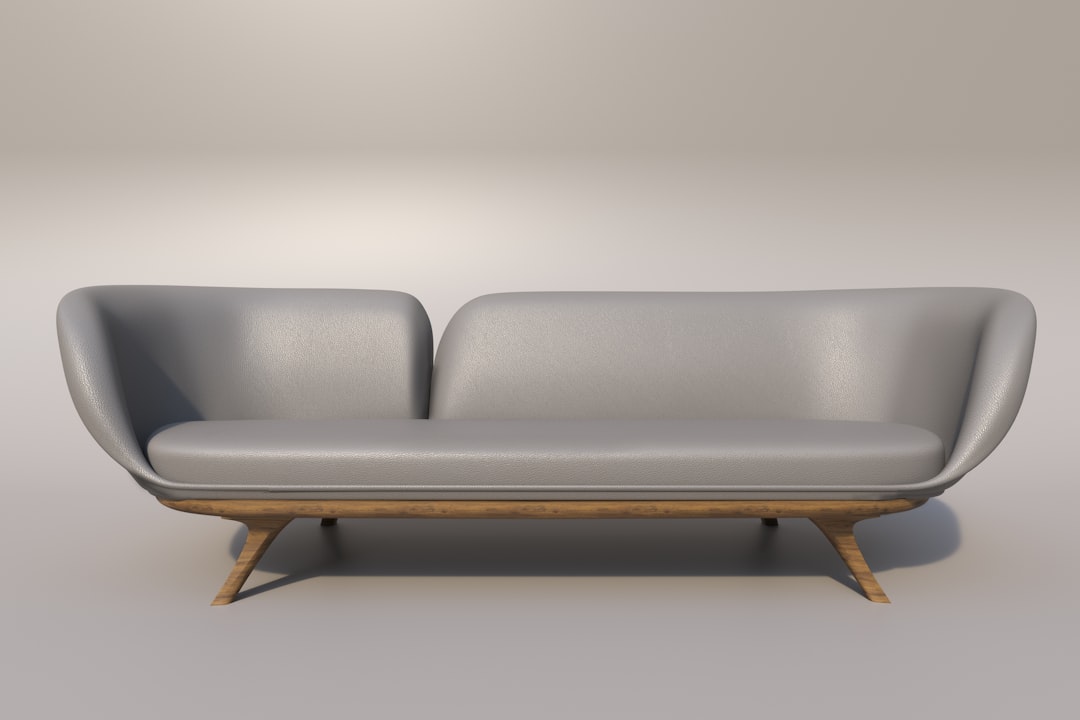
How to tell if a wobbly leg can be tightened or needs replacement? First, check if it's a screw or bolt that's accessible. If you can see a metal fastener at the top of the leg, tightening it with a spanner might solve it. If the wobble comes from the wood itself—the leg is cracked or the joint inside the frame is visibly split—then it's a replacement job. In a showroom, you can test this by asking the staff to demonstrate how the legs attach; a good piece will have a clear, serviceable connection. For a smaller space, a furniture showroom in Singapore keeps the proportions right, and the showroom helps you judge whether two seats or a loveseat suits the room better than squeezing in a three. It's the choice for a compact living room, a study, or as a companion piece to a larger sofa. Sitting on it confirms the comfort isn't sacrificed for the smaller size. For a flat where floor space is tight, the two-seater seen in person is the balanced pick.. For a premium sofa, you'd expect the manufacturer to supply a spare leg if needed, but that's something to confirm before you buy.
The showroom’s final minutes are where the real test happens. You’ve narrowed it down, maybe even picked a colour, but before you sign anything, there’s one last thing to do. It’s a simple, quiet fifteen-minute ritual that reveals more than any sales brochure. Sit on the sofa, settle in, and then shift your weight. Listen. Watch. The living room furniture range in Singapore itself is the destination — Megafurniture's 30,000 sq ft Joo Seng flagship and its Tampines outlet stage sofas, dining, and bedroom pieces in real room settings, so you see how things look and feel together, not in isolation. Both have parking and are easy to reach, and the floor staff can answer the questions a product page can't. It's worth planning the visit around the pieces you've shortlisted online. For a considered purchase, the showroom is where the decision gets made.. You’re looking for that tell-tale creak or the subtle wobble that says a joint isn’t as steady as it looks. This isn’t about comfort—you’ve already checked that. It’s about integrity.
Crucially, you must do this on the actual showroom floor, not on a carpeted display platform. Those raised platforms can mask instability, absorbing vibrations and hiding a frame’s true character. The concrete or tile floor of a typical Singapore showroom—think those warehouse spaces in Sungei Kadut or Defu Lane—gives you the honest feedback. A sofa that feels solid on carpet might betray a slight sway on a hard surface. That’s the difference between a piece that lasts years and one that develops a nagging list after a few months of use.
Think of it as a stress test for everyday life. You’ll be shifting positions, leaning back, maybe even putting your feet up. The frame and legs should absorb that movement silently. If you hear a creak or feel a wobble now, imagine it in your 4-room BTO after a year of humidity and regular use. Solid-wood or kiln-dried plywood frames typically hold up, but even a premium piece can have a weak joint. This check catches it.
The only time I’d skip this step is if you’re buying a purely decorative piece you’ll rarely use—a sofa for a formal lounge that sees no real sitting. But for your main living room sofa, where family gathers and you relax daily, this settle test is non-negotiable. It’s the final proof before you commit your deposit. Don’t rush it. Let the sofa tell you its story.